

Get Started in Kitesurfing
Since 1986, the 30 Noeuds team has guided riders of all levels. Whether starting from zero or looking to progress, this guide is for you.
Why choose kitesurfing?
Build your kit and get up to 15% additional discount!
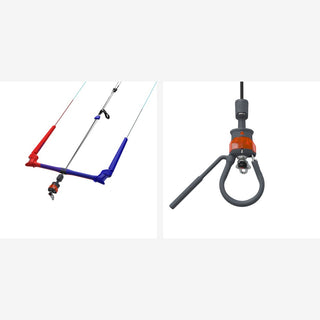
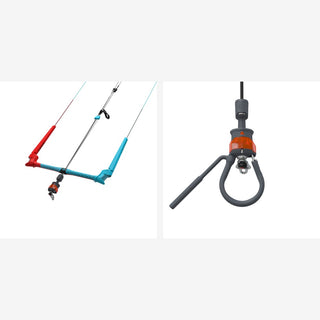

Loading…
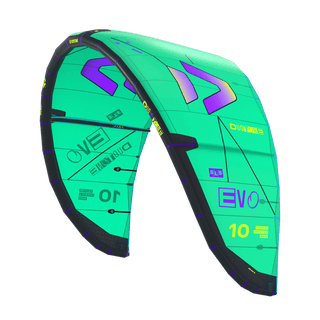
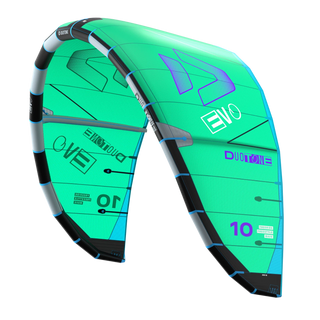
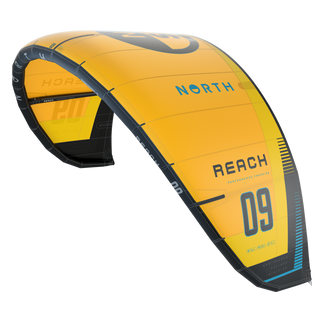
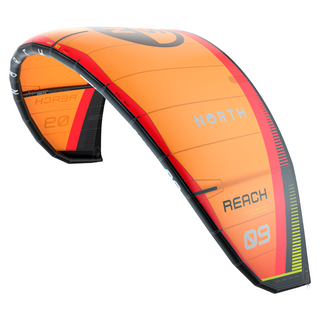
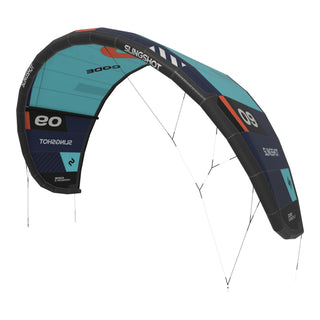
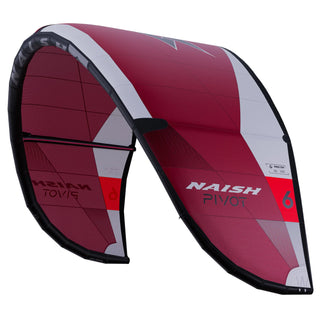
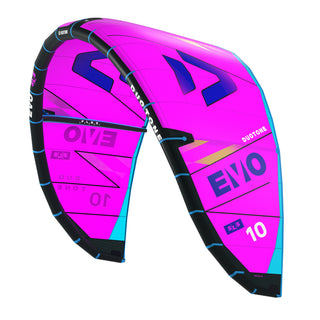
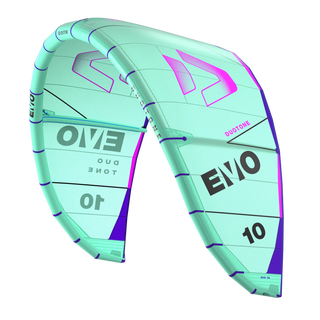
All kite models listed on this page are designed to help a rider progress.
SIZE
Kite size is determined by the rider's weight and wind speed. For a first kite, we aim for the moderate wind window (12 to 18 knots, or 22 to 35 km/h). Based on your weight, here are the sizes we recommend:
149 lbs and under: 9 or 10 m
150 lbs to 185 lbs: 12 m
185 lbs to 200 lbs: 14 m
200 lbs and over: 15 or 17 m
Kites of 8 m or smaller are generally designed for stronger winds. If you're very light or plan to learn primarily in a windier-than-average location, reducing our size recommendations by one or two meters could make sense.
If you're still unsure about your choice and want to learn more about a brand or model, don't hesitate to chat with us (see bottom right of the screen) or call us at 450-671-5650.
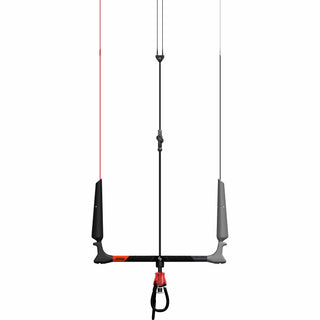
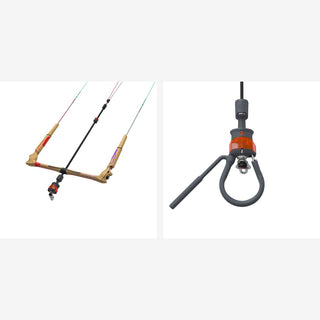
Bar width
Here is the ideal bar width by kite size:
- 7 m and under → 45 cm and under
- 8 m to 14 m → 48 to 52 cm
- 15 m and over → 55 cm and over
A wider bar makes the kite more reactive thanks to greater leverage. Conversely, a narrower bar slows the rotation speed. The sizes mentioned above are considered standard — ideal for progression.
Line length
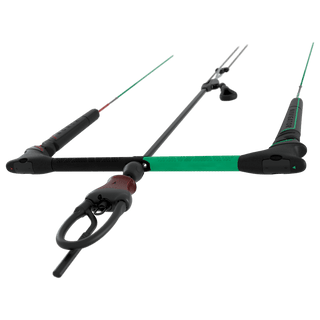
Line length is not always mentioned first in a bar's description. It is measured in meters and the standard is between 22 m and 25 m (ideal lengths for progression and versatility).
In general, longer lines give:
- Slower turns
- More power (low end)
- Reduced ability to drift downwind (poor drift)
The opposite occurs when lines are shortened.
Ultimately, stick to 22-25 m and there will be no problems.
Here is the ideal length range by rider weight:
- 140 lbs and under: 138-141 cm
- 140 to 175 lbs: 141-144 cm
- 175 to 210 lbs: 144-155 cm
- 210 lbs and over: 155 cm and over
No experience in wakeboarding, wake surfing, or surfing? When in doubt, don't hesitate to go with a larger size. Often, a beginner will choose an oversized board to learn their first runs — and will keep it for light wind conditions.
A twintip that's "too big" is never a waste: it will only accelerate your progress and can be used as a light-wind board.
On the contrary, starting with a board that's too small will significantly lengthen your learning curve — you can count on it!
Do you already have a harness?
The harness is an essential piece of kitesurfing gear. If you don't have one yet, choose one suited to your body type.


